
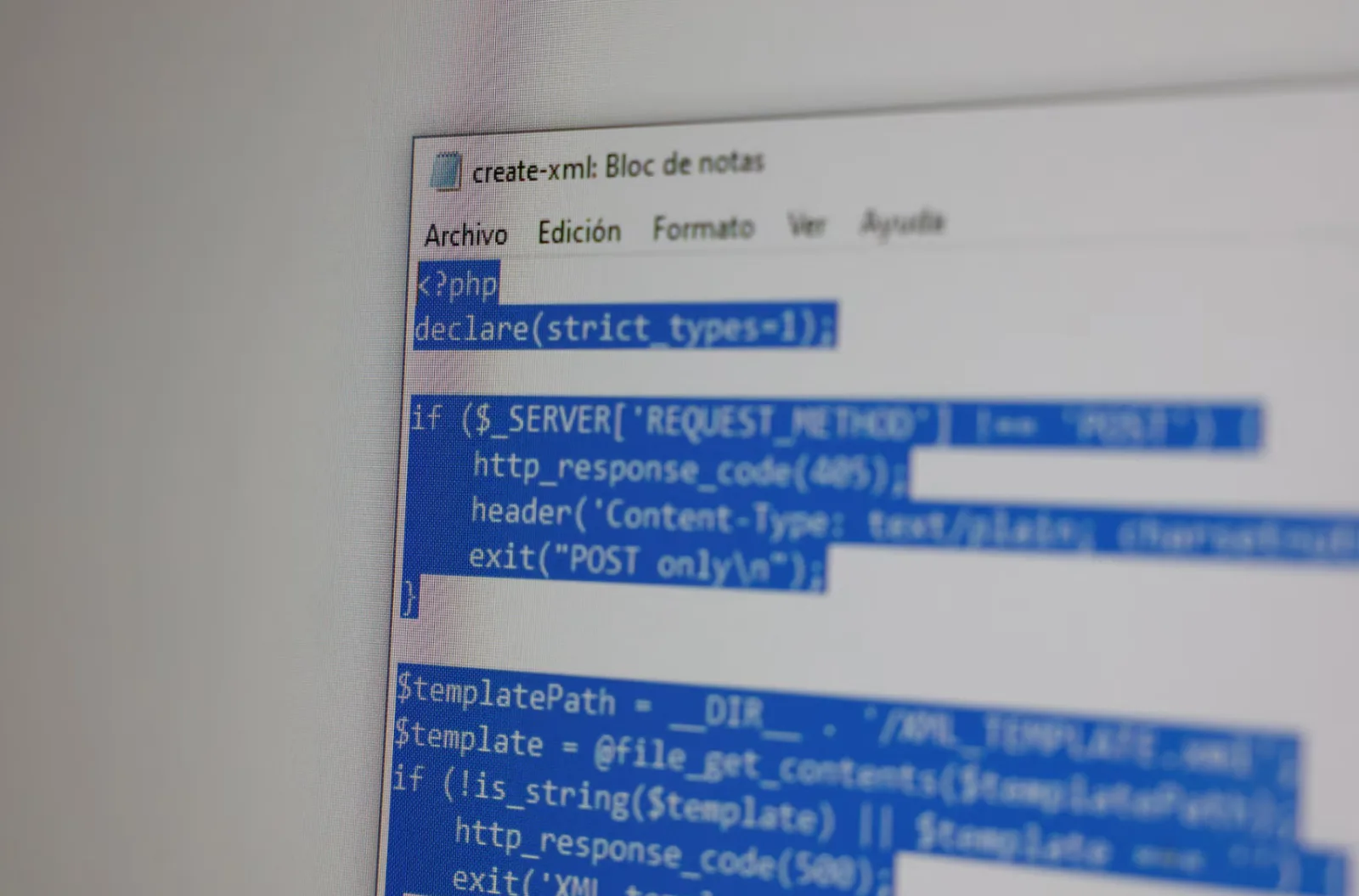
The PHP Foundation is struggling with limited funding and staffing despite supporting one of the internet’s most widely used programming languages. Recent reports of millions of attempts to exploit two serious PHP vulnerabilities have renewed concerns about the resources available to maintain and secure critical open-source software.
The PHP Foundation, the nonprofit organization supporting the development and security of PHP, is facing increasing pressure to strengthen its resources as cybersecurity threats continue to evolve.
Cloudflare reported millions of attempts to exploit two serious PHP vulnerabilities this week. Although the foundation said it had no evidence that attackers successfully exploited the flaws before their public disclosure, the incident has highlighted the importance of maintaining strong security practices for software used by websites worldwide.
According to reporting by Reuters, the foundation operates with a very small team despite PHP’s widespread adoption.
PHP Foundation Has Just One Full-Time Employee
Elizabeth Barron, executive director of the PHP Foundation, revealed that the organization has only one full-time staff member, supported by 14 contractors who work primarily part-time.
The foundation depends on donations and grants to finance its activities, while its board members serve as unpaid volunteers.
Its responsibilities include supporting PHP development, coordinating security fixes, and working with external researchers and technology companies to investigate vulnerabilities.
Barron said the foundation is working with organizations including OpenAI, cybersecurity company Wiz, and Calif to address security issues and coordinate patches.
She emphasized that PHP’s widespread use by businesses and governments makes the foundation’s limited funding particularly concerning.
The situation raises an important question: how can a small nonprofit maintain the security of software that so many organizations depend on?
Millions of Attempts to Exploit PHP Vulnerabilities
The reported exploitation attempts have drawn attention to the risks associated with vulnerabilities in widely deployed software.
The PHP Foundation stated that it had not identified evidence of successful exploitation before the vulnerabilities were publicly disclosed. Nevertheless, the incident demonstrated how quickly security information can spread and how important it is to coordinate vulnerability disclosures and patches effectively.
Security teams had prepared fixes for affected PHP versions, with distributions and long-term support providers receiving patches in advance so they could help users update promptly.
However, the disclosure process encountered unexpected complications shortly before the scheduled release.
For website owners and developers, the incident is a reminder that applying security updates promptly is essential to reducing exposure to known vulnerabilities.
How the PHP Security Disclosure Process Was Disrupted
According to the foundation’s account, the coordinated disclosure process faced significant challenges in the days leading up to the planned release.
On October 20, the identifiers for the two vulnerabilities began circulating on online forums and social media. In response, the PHP project moved its announcement and patch release forward.
The situation became more complicated after a security firm published a video demonstrating a proof of concept against several targets. Although the video was subsequently deleted, copies began circulating online, contributing to the spread of additional exploitation demonstrations.
The foundation also indicated that mitigation advice provided to selected critical infrastructure providers may have leaked.
Another development occurred on October 21, when Chainguard published built images containing the fix more than six hours before the coordinated public release, according to the foundation.
Because the patch had been distributed in advance, the early publication potentially allowed attackers to study the changes before other PHP users received the official release.
These events complicated the coordinated disclosure process and increased the pressure on security teams and system administrators.
PHP Foundation Admits Delays in Fixing Security Issues
The foundation acknowledged that the first signs of the underlying problem had been identified in 2024, but work on a permanent fix stalled and restarted several times over the following months.
The organization described the delay as a structural failure involving both the security team’s decision-making process and a lack of resources.
In response, the PHP security team has started changing its internal processes to improve decision-making, encourage compromise, and help resolve difficult issues more efficiently.
The foundation also stated that the latest patches demonstrate progress in PHP security management.
Once the full extent of the issue became clear in August, the security team, foundation, and release managers worked to deliver a fix across all supported branches. Distributions and long-term support vendors received patches ahead of the public release to help users update quickly.
The foundation is now prioritizing improvements intended to prevent similarly complex vulnerabilities from remaining unresolved for extended periods.
AI Is Increasing the Workload for PHP Developers
Artificial intelligence is helping security researchers discover vulnerabilities that may have existed in software for years. However, these advances are also creating additional work for open-source maintainers.
According to the reporting, the PHP project is receiving nearly twice as many proposed code changes as it did a year earlier.
The number of contributors, however, has not doubled.
Every proposed code change and security report requires careful review. Maintainers must evaluate whether contributions are safe, reliable, and compatible with existing software.
This process demands technical expertise and considerable human input, making it difficult for a small team to keep up with an expanding workload.
AI may help researchers identify potential problems more quickly, but resolving those problems still requires experienced engineers who can review findings, develop fixes, test changes, and coordinate releases.
For PHP, the growing volume of contributions makes sufficient funding and experienced security personnel increasingly important.
PHP Foundation Calls for More Funding and Security Experts
The PHP Foundation wants to increase the number of experienced engineers contributing to the project and provide its security team with the resources needed to respond more effectively to vulnerabilities.
However, achieving these goals depends on additional financial support from organizations that rely on PHP.
The foundation’s funding challenges highlight a broader issue affecting open-source infrastructure: software can be essential to thousands of businesses while the people maintaining it operate with limited budgets.
Companies, government agencies, hosting providers, and developers all benefit from PHP’s continued reliability. Supporting the project financially and contributing qualified engineering resources could help strengthen its long-term security.
The recent incident has reinforced the foundation’s argument that organizations benefiting from PHP should also consider supporting its maintenance and development.
What Website Owners Should Do to Protect Their PHP Systems
Website administrators and developers should take practical steps to reduce security risks associated with PHP vulnerabilities.
- Install security updates: Apply the relevant patches for your PHP version as soon as they become available.
- Check your PHP version: Confirm that your installation is supported and continues to receive security updates.
- Review exposed applications: Identify websites, APIs, and services that depend on affected PHP components.
- Monitor official advisories: Follow security announcements from the PHP project and your operating system or hosting provider.
- Contact your hosting provider: If you use managed hosting, confirm that the appropriate security updates have been applied.
Administrators should consult official PHP security advisories to verify affected versions and recommended remediation steps rather than assuming that every installation is vulnerable.
Conclusion: Open-Source Security Needs Greater Support
The latest PHP security incident highlights the difficulties of maintaining widely used software with limited funding and staffing. With only one full-time employee and a team of mostly part-time contractors, the PHP Foundation faces significant challenges as security reports and proposed code changes increase.
Although the foundation has taken steps to improve its security processes and deliver fixes across supported PHP branches, sustaining those improvements will require continued investment and experienced contributors.
For organizations that rely on PHP, the message is clear: open-source security depends not only on identifying vulnerabilities but also on funding the people responsible for fixing them.
As cybersecurity threats continue to evolve, supporting critical open-source projects may become increasingly important to protecting websites, applications, and digital infrastructure worldwide.
Stay Updated with TheHaxorNews
Stay informed about the latest developments in cybersecurity, ethical hacking, technology, software vulnerabilities, and digital security with TheHaxorNews.
We bring you important technology news, security updates, and insights into the threats shaping today’s digital world.
Visit TheHaxorNews for more cybersecurity news and technology updates.